Home loan eligibility & process for pre-launch apartments
Home loan eligibility and process for pre-launch apartments require a CIBIL score of 750 and a 20% down payment before banks clear stage-wise payouts under RBI rules. A pre-launch apartment is a home you buy before the builder finishes the building. You book early to get lower prices from the builder. Banks do not give all the loan cash on day one. They check your income first. Then they check the land and city approvals.
Banks release money only as the work moves forward on site. They pay cash for the foundation, the roof slabs, and the brick walls. This protects your money if work stops. You also sign a legal agreement with the builder and the bank. This ties all three parties to clear rules.
Buyers can save 15% to 25% on property rates by booking in the early stages. But banks must see a valid state RERA registration number before they pay out any funds. Once the project gets full clearance, lenders open home loan facilities for all buyers. This guide explains how to qualify, how to apply, and how banks fund these projects step by step.
Eligibility Criteria for Pre-Launch Home Loans
Your loan approval depends on a minimum monthly pay of ₹30,000 and a total debt share under 50% of your net pay. Banks review these two numbers first to see if you can pay your monthly dues on time.
- CIBIL Score Level: You need a credit score of 750 or higher to get the best interest rates. Top rates start between 8.35% and 8.75% per year. A score below 700 will raise your rate or stop your loan.
- Monthly Debt Cap: Banks cap your monthly debt load at 40% to 50% of your net take-home pay. This rule is called the FOIR. It makes sure you have enough cash left over for monthly home costs.
- Age and Loan Terms: Salaried workers aged 21 to 58 can get loan terms up to 30 years. Self-employed pros can get loans up to age 65. Longer loan terms give you smaller monthly payments.
- Job History: Salaried buyers need at least 2 full years of total work history. You also need 6 months at your current firm. Business owners must show 3 years of steady profit returns.
- Down Payment Size: RBI rules say banks can fund up to 90% for home loans below ₹30 lakh. Banks fund up to 80% for loans between ₹30 lakh and ₹75 lakh. For homes above ₹75 lakh, you must pay at least 25% in cash.
Step-by-Step Home Loan Process for Pre-Launch Apartments
Getting your loan takes 5 core steps and moves from your paper check to stage-wise fund releases. Following these steps helps you clear loan approvals without delays.
- Get Loan Pre-Approval: Give your bank your pay slips, bank records, and tax forms. The bank tells you your max loan limit in 3 to 5 working days.
- Bank Checks the Land: The bank's legal team reads the title deeds for the last 30 years. They make sure the land has no unpaid debts or court cases.
- Sign the Sales Agreement: You pay the first 10% booking token to the builder. Then you register the Agreement for Sale at the local sub-registrar office.
- Sign the Tripartite Pact: You, the builder, and the bank sign a three-way deal. This paper states that the bank holds the flat until you pay off the debt.
- Stage-Wise Fund Releases: The bank sends money straight to the builder's RERA escrow account. They pay only after an engineer proves that a floor slab is done.
Project-Level Approvals Required for Pre-Launch Loan Sanctions
Banks verify a valid state RERA ID and a 30-year clean land title deed before clearing any funds. These checks prove that the building is legal and safe to back.
- State RERA Number: No bank in India will give a home loan without a valid RERA number. The law bans marketing and sales before this step is complete.
- 30-Year Title Search: A bank lawyer checks all past land sales for 30 full years. This confirms that the builder owns the land outright.
- City Layout Approvals: The builder must have stamped plans from local planning boards like BDA, BBMP, or CMDA. These plans show the building height, road widths, and open spaces.
- Government NOC Papers: The builder must hold fire safety, green board, water board, and airport height permits. Missing even one NOC can halt bank approvals.
- Bank APF Code: Banks issue an Approved Project Financial (APF) code once all papers are cleared. When a project has an APF code, buyers get their loans cleared in days.
Pre-Launch Financing Case Study: Purva Cityspire
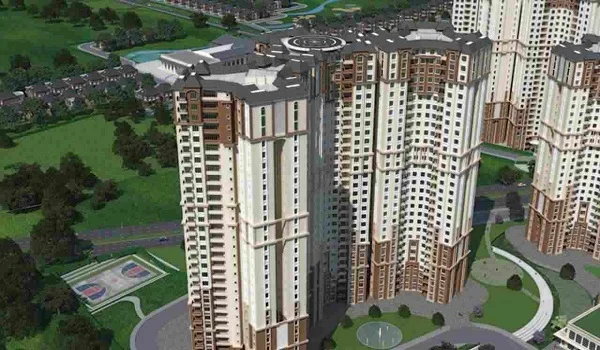
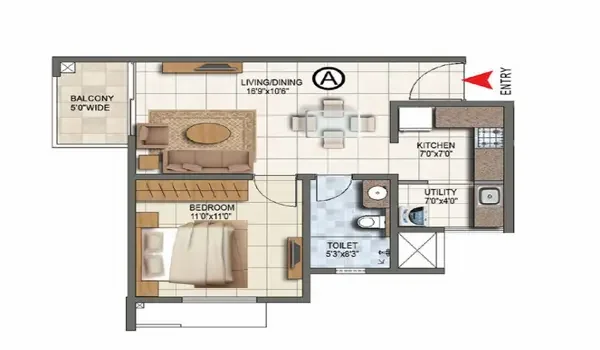
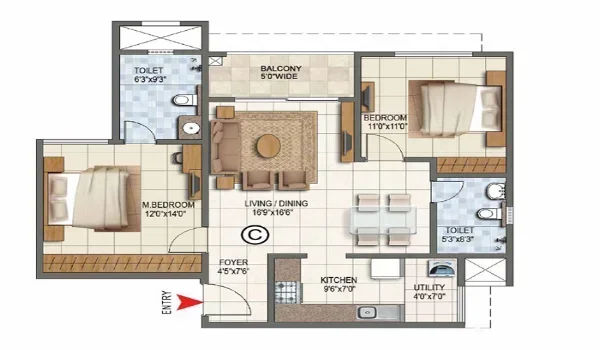
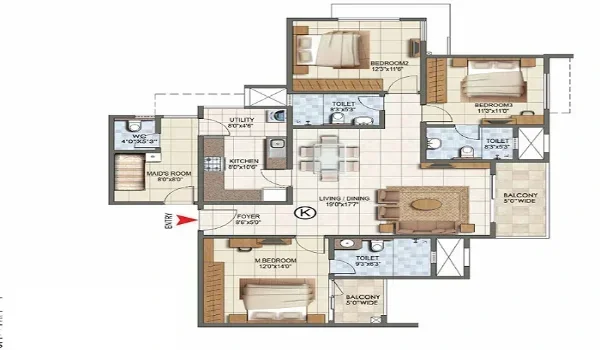
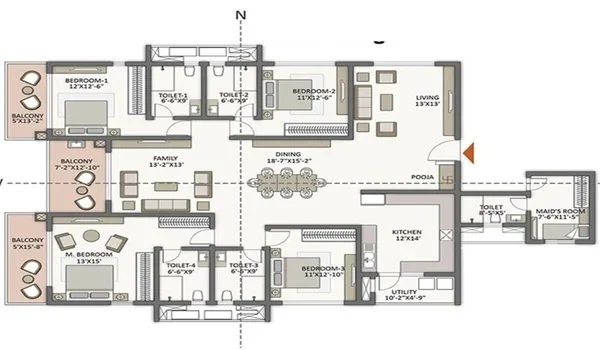
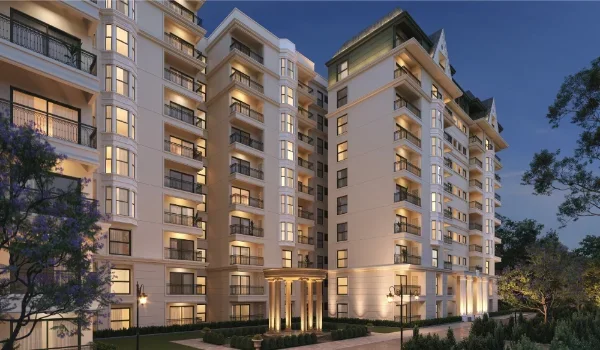
Purva Cityspire is a 6-acre twin-tower project in Bellandur that offers 1 to 4 BHK homes with a 10:80:10 bank payment plan. Located along the busy Outer Ring Road in East Bangalore (PIN 560103), this project sits in a major IT belt. It lies just 900 meters from Helios Business Park. It is also only 1.7 km from the Kadubeesanahalli Blue Line Metro Station. These strong job links make it a prime case for pre-launch bank loans.
Buyers place an early Expression of Interest (EOI) to lock in low base rates before the open market launch. The project features two high-rise towers rising G+35 and G+38 floors high. Flats range in size from 700 sq ft for 1 BHK homes up to 3,200 sq ft for large 4 BHK units. Base prices start at ₹13,000 per sq ft. This sets entry rates between ₹97.5 Lakh and ₹3.38 Crore.
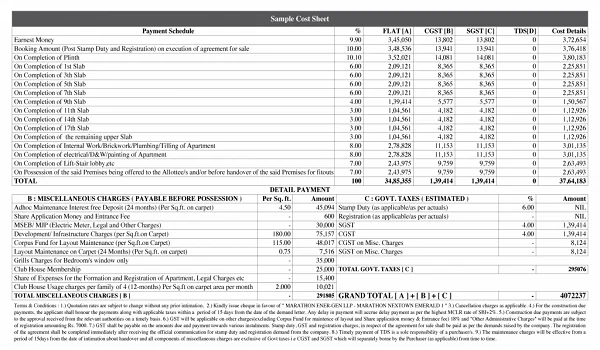
Top lenders like SBI, ICICI Bank, and HDFC Bank check the Bellandur land titles to set up project APF codes. The payment schedule follows a standard 10:80:10 plan. You pay 10% at booking to register your sales pact. Next, the bank releases the 80% loan share in parts as workers complete each floor slab up to the 38th level. You or the bank releases the last 10% only when the builder hands over the keys with an Occupancy Certificate (OC).
Repayment Options for Pre-Launch Loans: Pre-EMI vs Full EMI
Buyers choose between simple interest on released funds during construction or full EMI payments that cut your loan term right from day one. Your choice shapes your monthly budget while the building goes up.
- Pre-EMI Option: You pay only the simple interest on the cash the bank has paid out so far. Your monthly payments stay small while workers dig the basement and build the first few floors. But your main loan debt does not shrink until you get the keys.
- Full EMI Option: You pay both interest and loan principal right from the first payout. This option costs more each month during building, but it pays off your debt much faster. It cuts down your total lifetime interest bill by thousands of rupees.
Document Checklist for Pre-Launch Home Loan Applications
You need 3 months of pay slips and 6 months of bank records to start your loan check. Having clean papers ready saves weeks of waiting time.
- ID and Address Proof: Submit clear copies of your PAN card, Aadhaar card, valid passport, or voter ID.
- Address Documents: Provide recent electricity bills, piped gas bills, or a registered rental agreement.
- Income Proof for Salaried People: Submit your last 3 months of salary slips, Form 16 for the last 2 years, and 6 months of bank statements showing your salary payments.
- Documents for Self-Employed People: Provide 3 years of tax returns, audited balance sheets, 12 months of bank statements, and your GST registration certificate.
- Property Documents: Keep the builder's booking receipt, allotment letter, registered sale deed, and signed tripartite agreement ready.
FAQs
No, banks cannot release any loan cash before a project gets a state RERA number. The law bans banks from funding projects that lack this permit. A bank can check your pay and grant an in-principle approval, but no cash leaves the bank until the RERA portal shows the project is clear.
Under Section 18 of the RERA Act, you can ask for a full refund with interest if possession is late. You can also choose to stay in the project and collect monthly interest payouts from the builder for every month of delay. The bank keeps its legal claim on the unit through the tripartite agreement until the debt is cleared.
An APF code means the bank has already checked the land titles, zoning permits, and building plans. It saves you time, cuts out separate legal fees, and confirms that the land is legally safe to build on.
A pre-launch happens when a builder gathers buyer interest before getting all final city permissions. A soft launch happens after the builder gets the RERA number and city approvals, allowing banks to issue APF codes and approve home loans directly.
No, you cannot claim tax deductions under Section 24(b) while the home is still under construction. However, you can add up all the interest paid during the building phase and claim it in five equal parts over the first five years after you get the keys and the completion certificate.